Akinon E-commerce Experience
Akinon powered e-commerce experiences for multiple retail brands from a shared platform. My focus was to design and adapt core commerce patterns — PLP, PDP, cart, checkout, product cards and campaign modules — so they could stay consistent with the platform logic while still working across different brand identities on web and mobile.
- (Context)
- Akinon · Multi-brand commerce platform
- (Role)
- UI/UX Designer — e-commerce flows, interface patterns and brand-specific adaptations
- (Scope)
- PLP, PDP, cart, checkout, product cards, campaign modules, responsive web/mobile commerce patterns and brand adaptations
- (Platform)
- Web / mobile commerce
- (Status)
- Professional work

The problem
A multi-brand commerce platform has to serve two needs at once. Teams need shared patterns to produce and maintain storefronts consistently, but each brand has its own product hierarchy, campaign language and visual identity. PLP, PDP, cart and checkout needed to behave like one reliable platform system without forcing every brand into the same template.
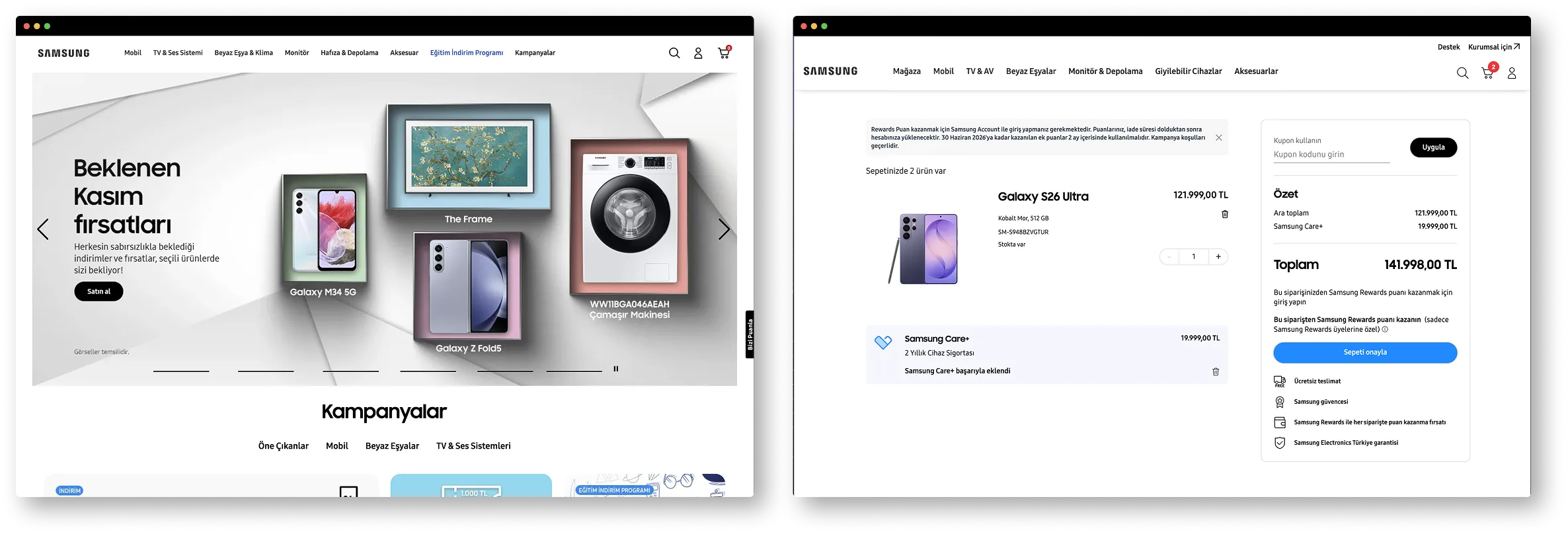
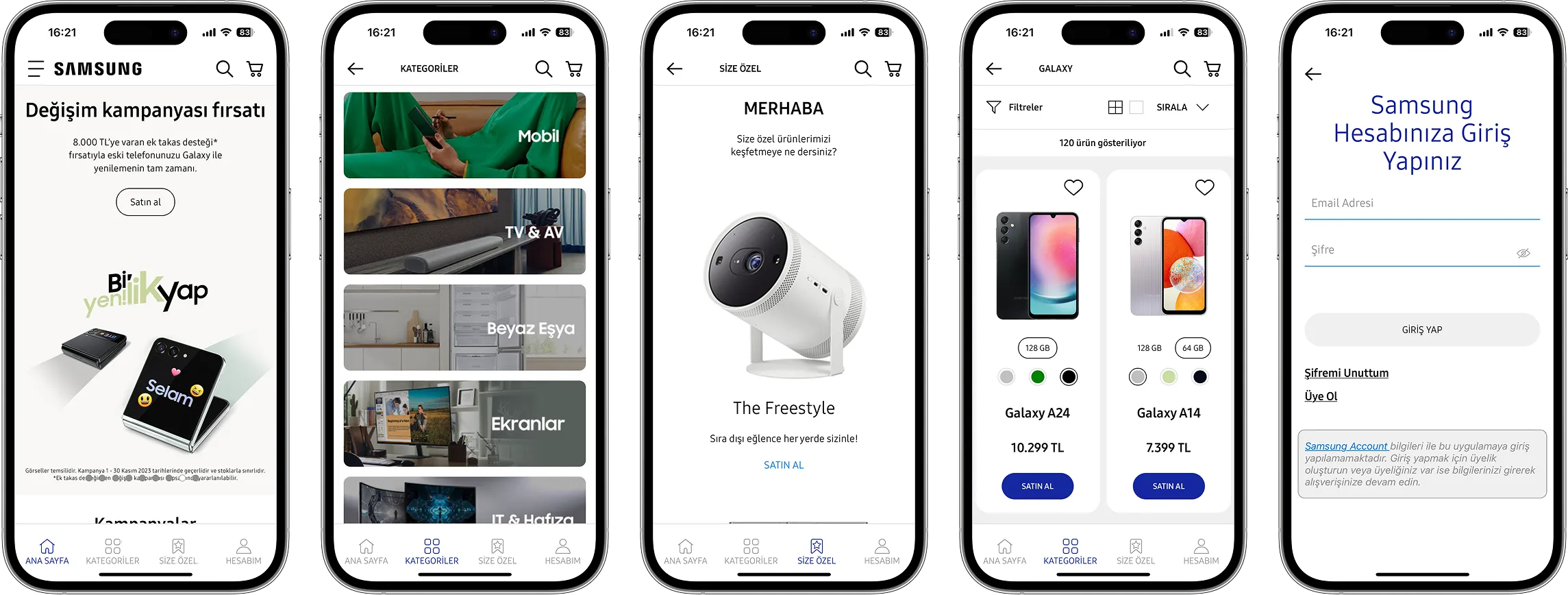
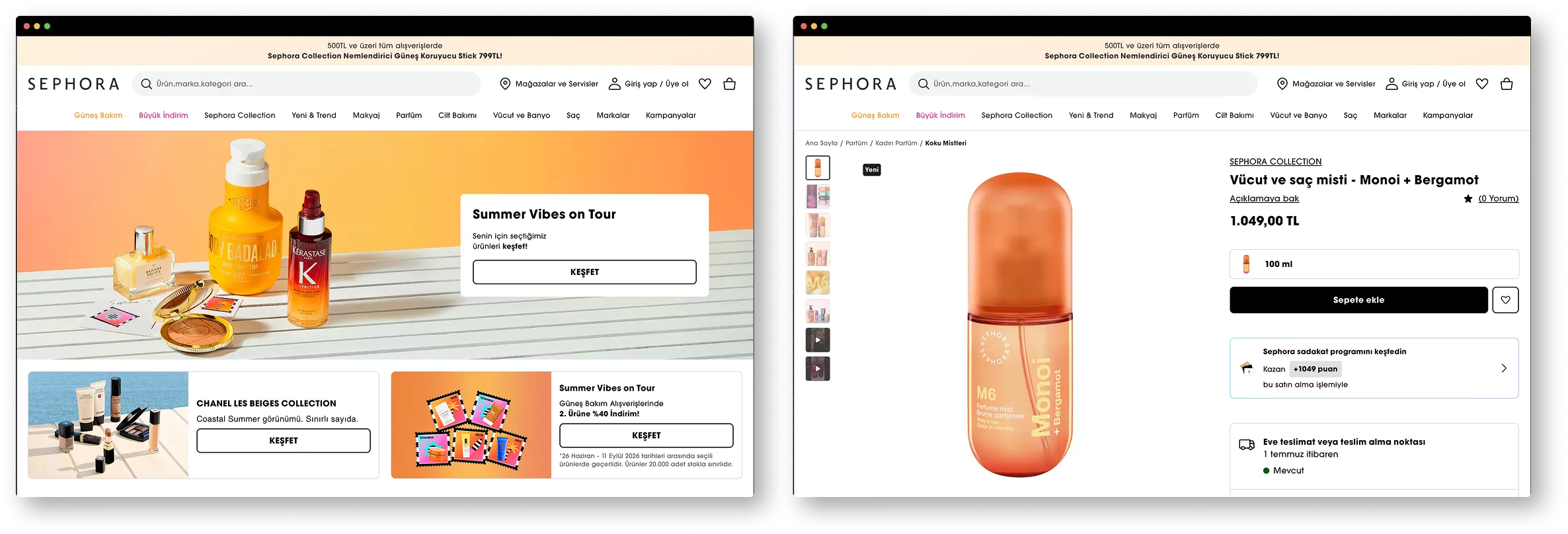
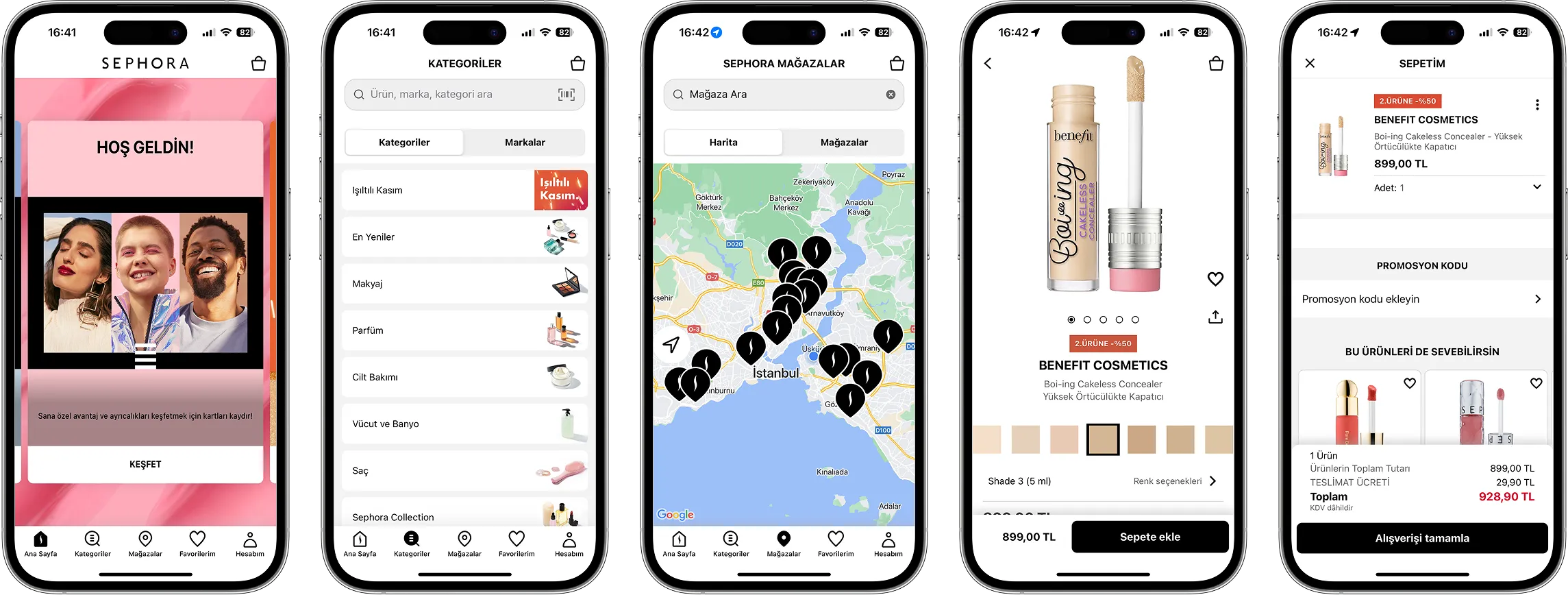
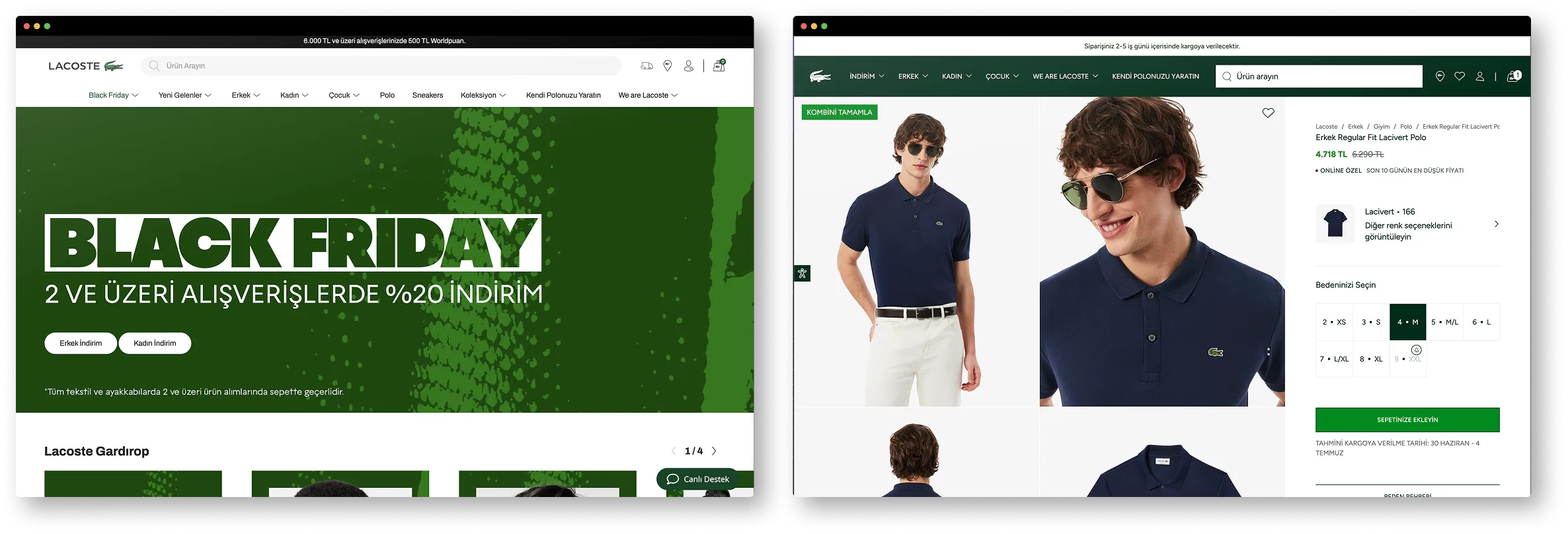
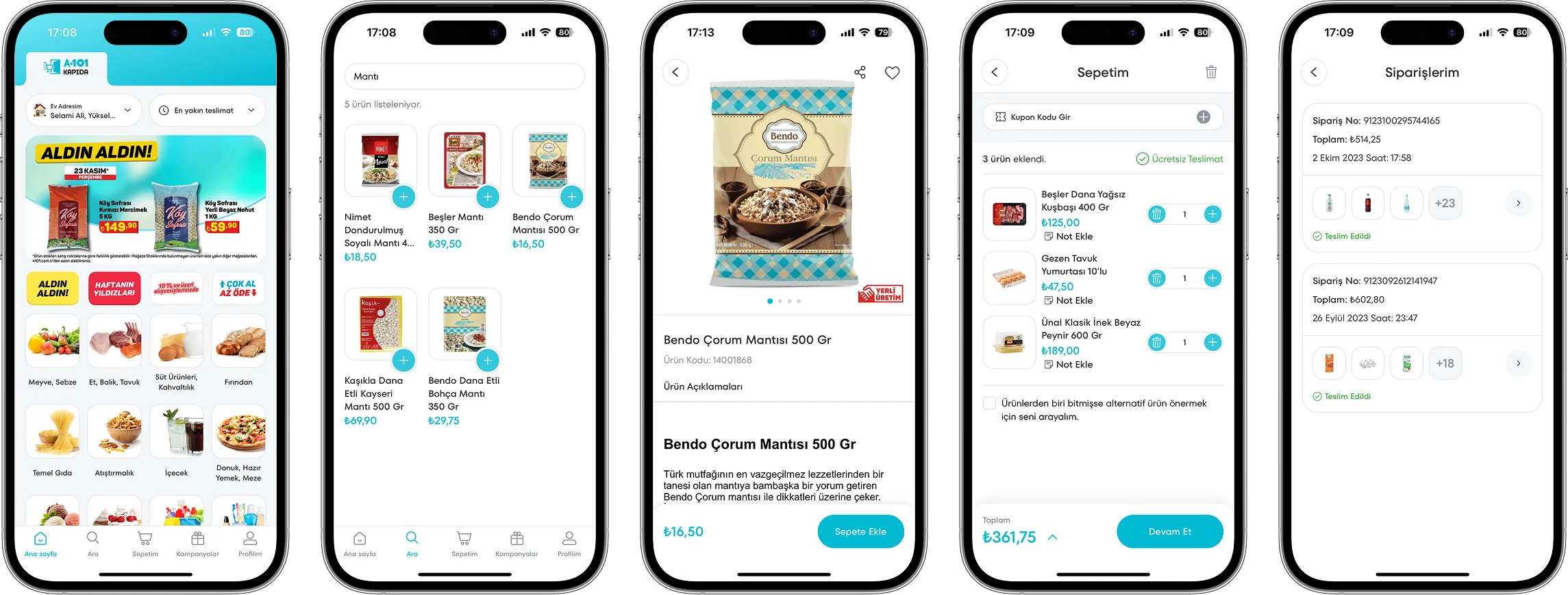
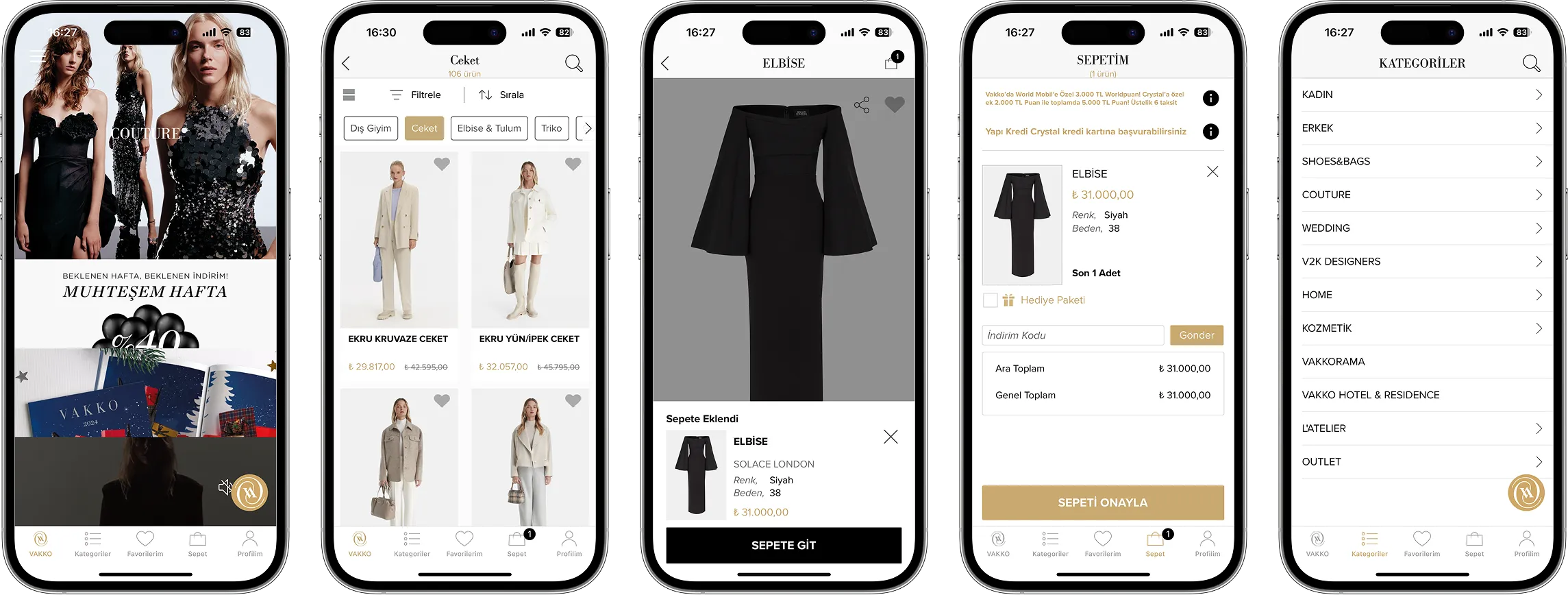
I contributed to multi-brand commerce experiences on the Akinon platform, designing and adapting core patterns such as PLP, PDP, cart, checkout and campaign modules to balance platform consistency with each brand's retail identity.
- 01Core commerce patterns were reused and adapted across multiple storefronts, supporting more consistent production as new brand and campaign needs came in.
- 02Worked on PLP improvements for readability — for example moving dense 4-column listings toward more readable 2–3-column responsive layouts.
- 03Focused cart and checkout work on simplifying the purchase path, clarifying states and keeping users oriented in the flow.
- 04Worked across Akinon-platform storefronts for brands including Samsung, Sephora, Lacoste, Vakko, A101 Kapıda, LC Waikiki and Marks & Spencer.


I was part of a three-person design team, working with brand/account managers, business units, engineering teams and brand stakeholders. In scope meetings, we clarified what belonged to the shared platform pattern and what could flex per brand. My work focused mainly on PLP, PDP, campaign modules, cart/checkout and brand-specific visual adaptations.
Key product decisions
- 01Treat PLP and PDP structures as adaptable commerce patterns, not fixed one-off pages.
- 02Define product-card rules that can handle different grid densities, image ratios, product titles and campaign labels.
- 03Protect the core purchase path in cart and checkout, while allowing brand-specific adaptation around it.
- 04Design campaign modules as reusable blocks that can enter the grid without breaking the page structure.
Flow and system design
The shared commerce journey moves from listing to product detail, cart and checkout. Product cards, variant selection, campaign areas and checkout states use the same underlying logic across web and mobile. Brand adaptations are layered on top of the system; instead of rebuilding each storefront flow from scratch, platform patterns are themed and adjusted to fit the brand context.
Interface system
The interface system includes PLP grids, product cards, PDP structures, cart areas, checkout patterns and campaign modules. Patterns were prepared with responsive behaviour, brand theming and different content densities in mind. The goal was to keep conversion-critical interactions stable while giving each brand enough room for visual identity and campaign needs.
Edge cases & states
- 01Out-of-stock, low-stock and unavailable variant states across PLP and PDP.
- 02Empty cart, promo code, checkout validation and error states.
- 03Mixed image ratios, long product titles and different product-card densities across brands.
- 04Campaign modules with and without imagery, and varying content lengths.
Developer handoff
I delivered responsive commerce patterns, screen states and implementation notes for web and mobile. The handoff was prepared to help engineering teams implement and adapt storefronts without breaking the shared platform logic. The shared patterns were used across Akinon-platform storefront experiences including Samsung, Sephora, Lacoste, Vakko, A101 Kapıda, LC Waikiki and Marks & Spencer.
What I'd improve next
I would strengthen PDP media galleries, variant selection and stock states further. I would also create a clearer content model for campaign modules so marketing teams could compose pages with less design support.