Hepsiburada Flowers & Gifts
This is a self-directed product design case study exploring gifting commerce. Sending a gift breaks some assumptions of standard checkout: the sender may not know the recipient's address, may want the delivery to remain a surprise, and still needs reassurance after placing the order. The case focuses on turning those uncertainties into manageable decision points instead of checkout blockers.
- (Context)
- Self-directed product design case study for Hepsiburada · Gifting commerce
- (Role)
- Senior UI/UX Designer — problem framing, flow design, information architecture, UI design, prototype and presentation
- (Scope)
- Delivery-region check, recipient address request, surprise mode, photo approval, order tracking, checkout continuity and edge cases
- (Platform)
- Mobile commerce
- (Status)
- Product design case study

The problem
Standard checkout assumes the buyer knows the delivery address and wants full order visibility. Gifting often works differently: the address may be missing, timing matters more, and the recipient experience needs to stay controlled. This creates gaps around address collection, delivery availability, privacy, approval and tracking. The goal was to make those gaps visible and manageable inside the flow.
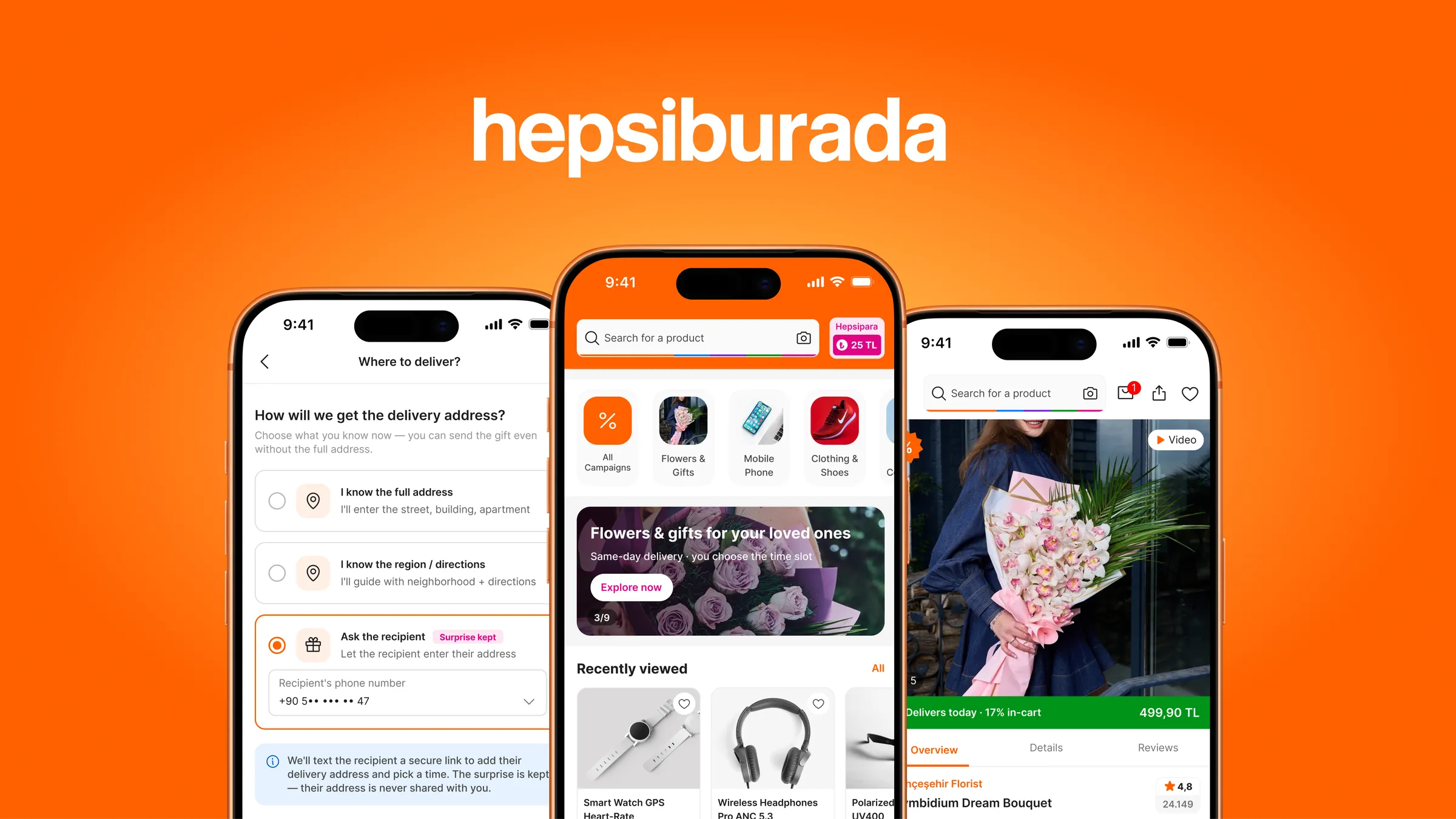
A self-directed mobile-commerce case study designed around gifting scenarios where standard checkout starts to break: unknown address, delivery uncertainty, surprise delivery, photo approval and order tracking.
(11)
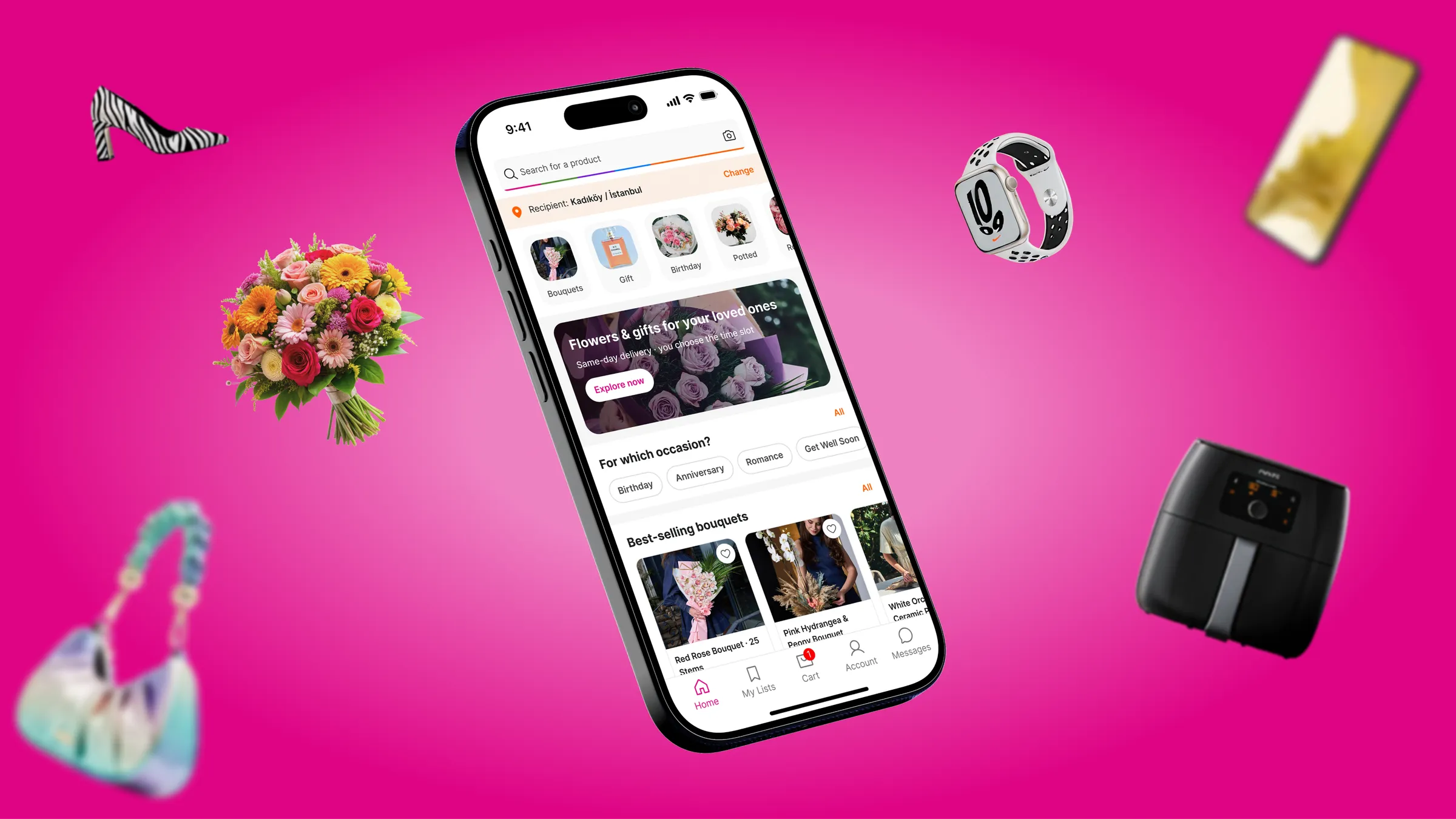
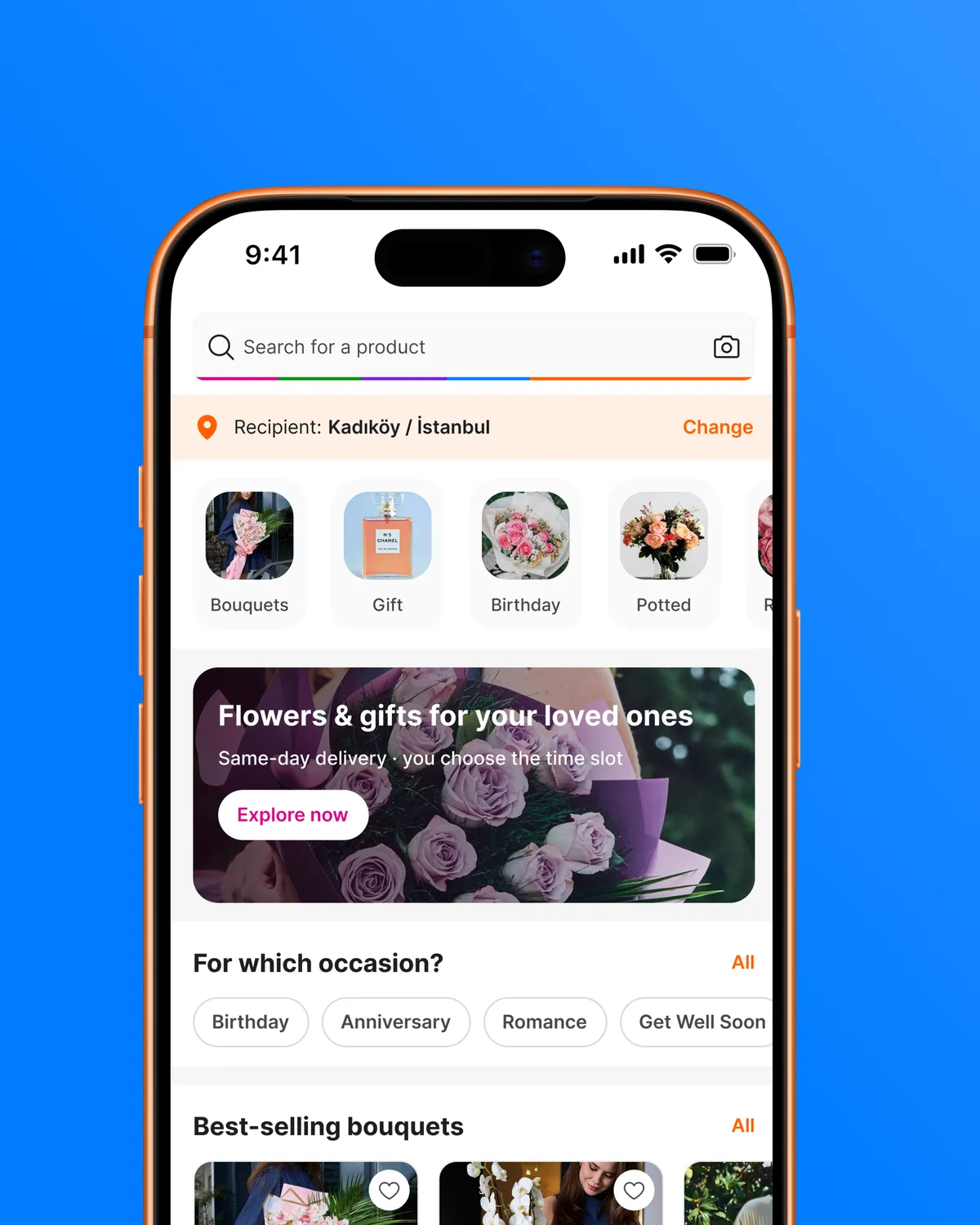


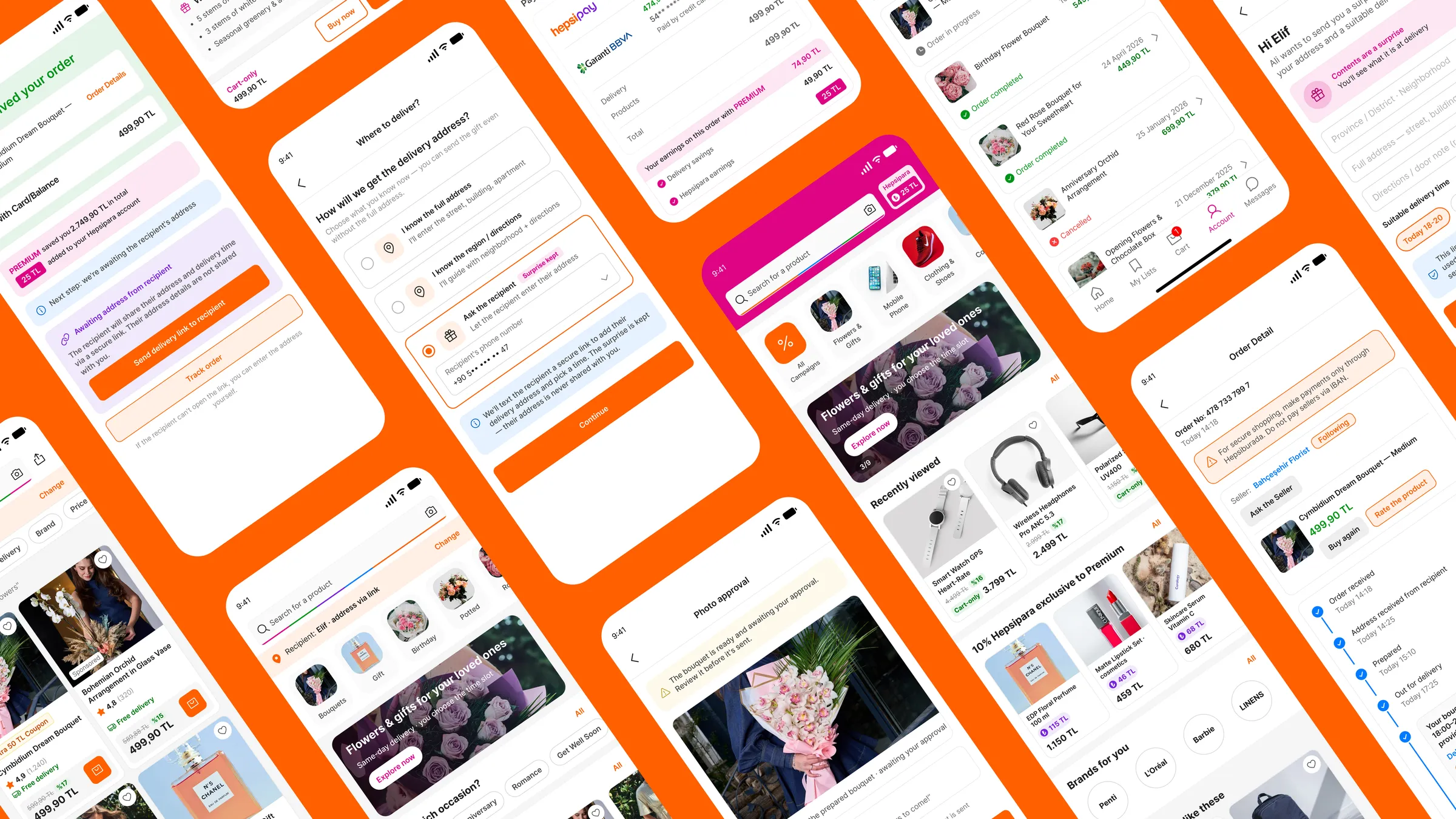
This self-directed concept shows how an existing marketplace experience can expand into emotional, time-sensitive gifting without launching a separate app. The focus is not only on screens, but on solving a real category gap inside checkout with product logic.
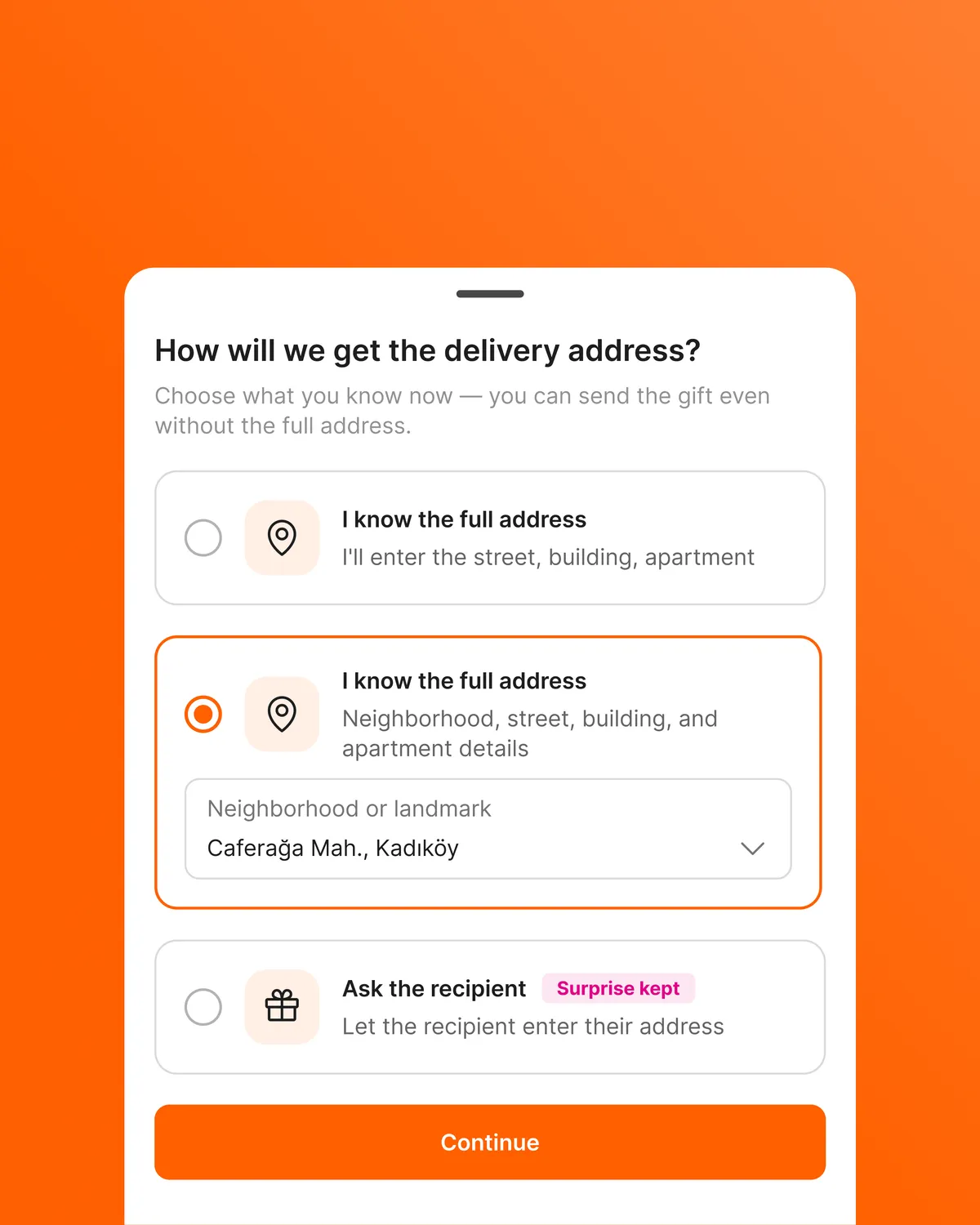
- 01Core contribution: the “Address Clarity Ladder” — turning an unknown recipient address from a checkout blocker into a progressive, manageable flow.
- 02Delivery uncertainty is handled through conditional order, pre-authorisation, alternative slot, equivalent-product and refund scenarios.
- 03Privacy and trust are balanced: the sender remains known while the gift stays a surprise, instead of becoming a fully anonymous and less trustworthy link flow.
- 04Within a three-day case window, I completed the problem analysis, benchmark, flows, UI system, prototype and presentation end to end.
This was a self-directed, solo product design case study. Within a three-day case window, I analysed the problem, benchmarked competitors, and built the flows, information architecture, visual system, prototype and presentation end to end.
Key product decisions
- 01Let the sender request the recipient's address without leaving the purchase flow.
- 02Surface delivery-region and time-slot availability before the sender commits to the product.
- 03Treat surprise mode as a clear order option, not as a hidden note inside checkout.
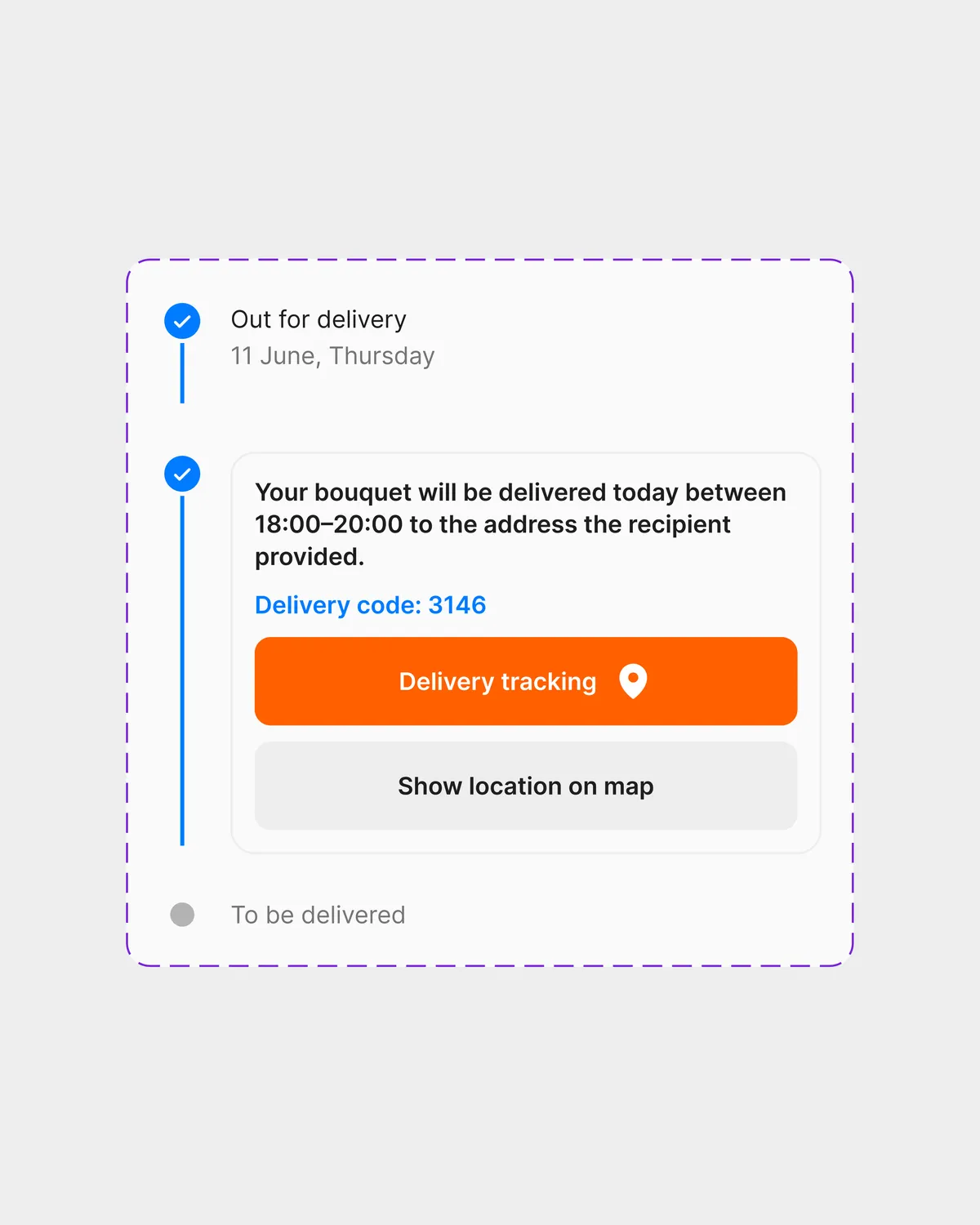
- 04Add photo approval and tracking states so the sender can trust a delivery they cannot see.
- 05Define fallback scenarios so the order does not collapse when address information is missing or delayed.
Flow and system design
The journey is structured as a gifting flow rather than a standard purchase funnel. It moves from gift selection to delivery region, recipient address, surprise options, photo approval and post-order tracking. Each step includes fallback logic for missing information, delay or delivery unavailability, so the user can keep moving without losing the flow.
Interface system
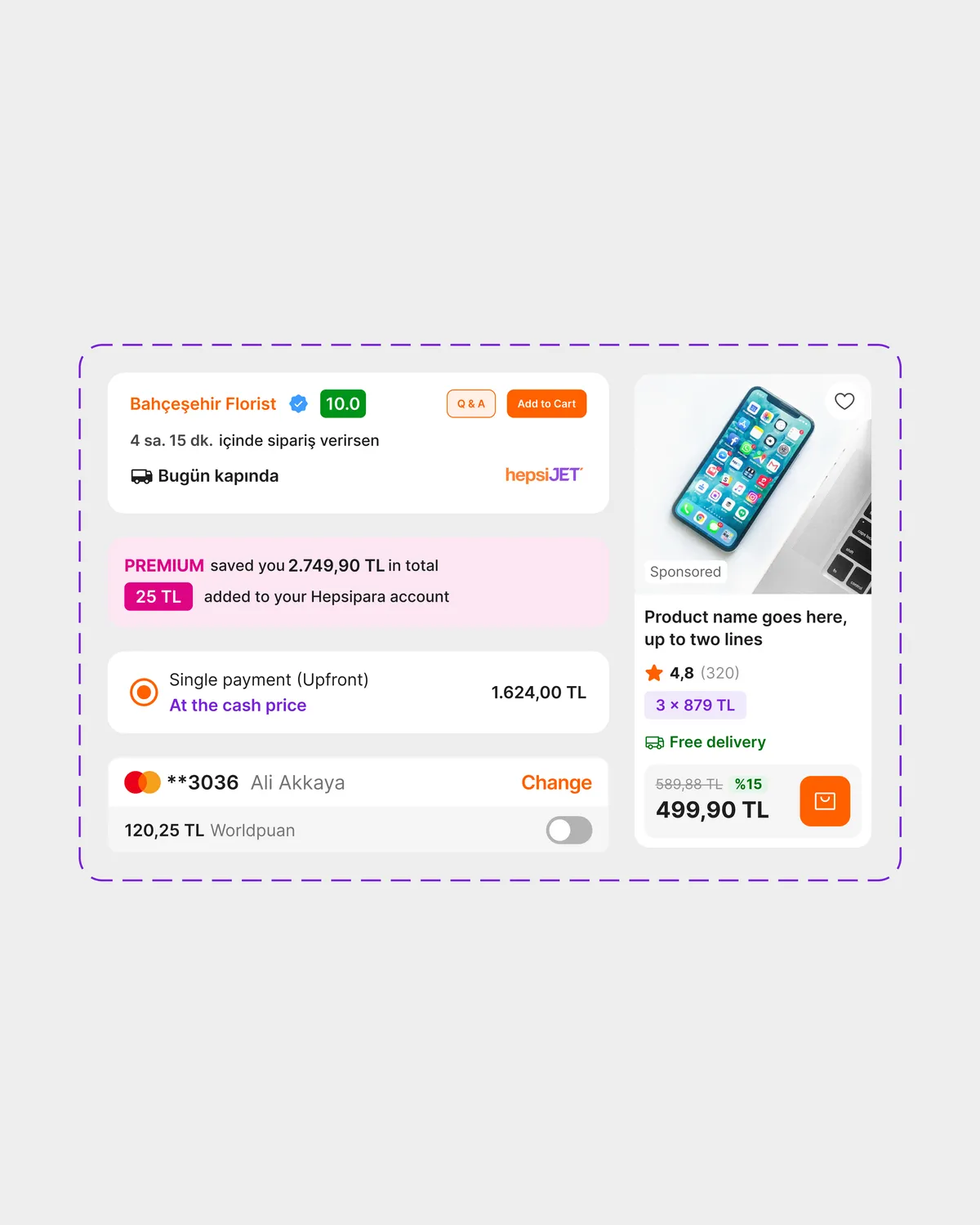
The interface uses familiar commerce patterns — cards, steppers, sheets and timelines — and adapts them for a more emotional and time-sensitive purchase. Status, reassurance and visibility are built into the flow. The sender can clearly understand what is pending, what is confirmed and what happens next.
Edge cases & states
- 01Recipient has not shared the address yet, or shares it late.
- 02Delivery region is unavailable or the requested time slot is full.
- 03Surprise mode is on, while the sender still needs approval and tracking.
- 04Photo approval is declined and the order needs a remake or delivery update.
- 05Product availability, stock or delivery slot changes after the recipient address arrives.
Developer handoff
The work was documented through product flows, annotated screens, states, fallback scenarios and decision notes. The handoff material explains the logic behind gifting-specific interactions and how the journey should continue under different conditions.
What I'd improve next
I would test the recipient-address request under real timing pressure. I would also expand reminder, scheduling and delivery-timing logic for date-driven gifting moments such as birthdays, anniversaries and special occasions.